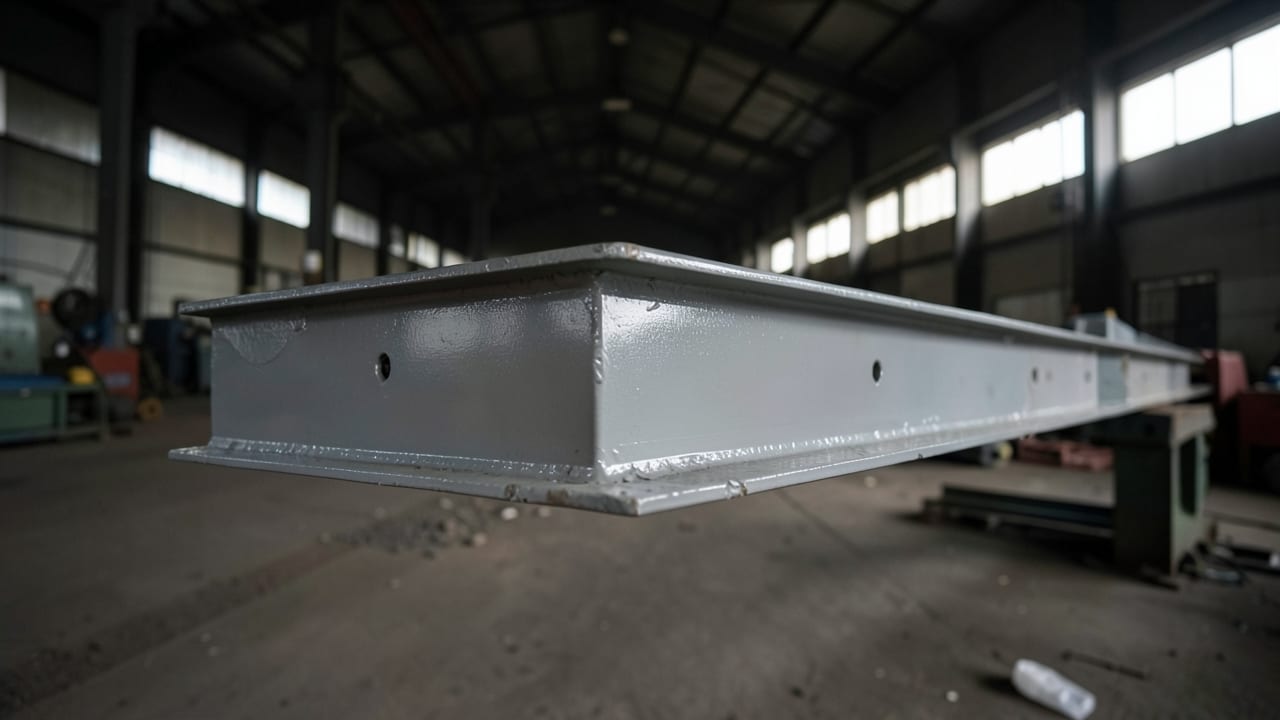
Metal Surface Anti-Corrosion
Ceramic coatings and specialized paints applied to metal surfaces to prevent rust and corrosion.
Metal surface anti-corrosion using ceramic coatings is a protective treatment designed to shield exterior metal surfaces from moisture, oxidation, and environmental wear in Fargo, ND.
Commonly applied to railings, gates, outdoor furniture, and structural components, this process helps extend the lifespan of metal exposed to the region’s harsh winters and fluctuating temperatures. The coating creates a durable barrier that resists rust, chipping, and fading, making it ideal for preserving metal assets in residential settings.
We also handle Wheel & Brake Caliper Ceramic Coating and Interior Ceramic Protection for Fargo vehicles.
Why metal surfaces need anti-corrosion coating
Fargo’s climate—with freezing winters, thaw cycles, and high humidity—accelerates metal corrosion. Over time, exposure to moisture, salt, and temperature shifts weakens unprotected metal, leading to rust, pitting, and structural compromise. Ceramic coatings act as a shield, reducing oxidation and extending the life of surfaces like railings, gates, and outdoor structures.
Signs your metal surfaces may need protection include visible rust spots, discoloration, or a rough texture. If water no longer beads off the surface or if paint peels easily, the protective layer has likely degraded. Addressing these issues early prevents costly repairs and maintains curb appeal.
Signs Your Metal Needs Anti-Corrosion Treatment
- Water spreads instead of beading on the surface (indicates loss of protective layer)
- Visible rust, pitting, or flaking paint on metal components
- Surface feels rough or gritty when touched (contaminants or corrosion present)
- Discoloration or dullness where metal is exposed to moisture or direct sun
What affects the process and cost
The scope of the project determines both the time required and the materials used. Larger surfaces, like custom gates or structural beams, demand more coating and longer application time. Rusted or heavily corroded areas may need additional prep work—such as sanding or chemical treatment—to ensure the coating adheres properly.
The type of ceramic coating chosen also impacts cost and durability. Basic single-layer coatings offer shorter-term protection, while multi-layer or advanced formulations (e.g., graphene-based) provide longer-lasting resistance. Climate conditions during application—such as humidity and temperature—can affect curing time and final results.
| Factor | Typical Impact on Process |
|---|---|
| Surface size/area | Larger surfaces require more coating material and longer application time |
| Degree of corrosion | Heavily rusted areas need extra prep (sanding, chemical treatment) before coating |
| Coating tier (single vs. multi-layer) | Multi-layer coatings take longer to apply but offer extended protection |
| Weather conditions during application | Ideal curing occurs at 50–80°F and 40–60% humidity; deviations may require adjustments |
Preparation: the foundation of durability
Proper prep work is critical to the coating’s longevity. Skipping steps like decontamination or clay bar treatment leaves contaminants trapped under the coating, which can cause adhesion failures or uneven curing.
In Fargo’s environment, embedded brake dust, road grime, and industrial fallout are common culprits that compromise the finish if not removed.
A thorough inspection under controlled lighting identifies hidden imperfections—such as swirl marks or light scratches—that must be corrected before coating. Applying a coating over these flaws locks them in permanently, as the thin ceramic layer follows the surface texture rather than smoothing it.
Coating over uncorrected swirl marks or leaving residual oils (from wax or polish) on the surface can lead to patchy adhesion or premature wear. Always confirm that prep includes decontamination, clay bar treatment, and a final alcohol wipe-down before application.
How metal surface anti-corrosion coating works
This process involves cleaning, decontaminating, and applying a protective ceramic layer to metal surfaces.
- 1Foam Wash and Wheel Cleaning
The metal surface undergoes a foam pre-wash to remove loose dirt, followed by a dedicated wheel-and-tire cleaning pass. Separate mitts are used for paint and wheels to prevent brake dust from scratching the surface during washing.
- 2Chemical Decontamination
Iron remover strips embedded brake dust, and tar/bug remover lifts deep-seated contaminants. These steps ensure no particles remain beneath the clear coat before mechanical contact.
- 3Clay Bar Treatment
A clay bar or mitt is worked across the surface with lubricant to pull out bonded contaminants like overspray or industrial fallout. The goal is to achieve a glass-smooth finish, confirming all contaminants are removed.
- 4Inspection and Correction
Under raking light, the surface is inspected for swirl marks or scratches. A correction polish is applied to these areas to prevent them from being permanently sealed under the coating.
- 5Coating Application and Cure
The ceramic coating is applied panel by panel in a dust-free environment with controlled humidity and temperature. The surface must remain undisturbed during the full cure period—typically 24–72 hours—before exposure to moisture or washing.
Frequently asked questions
How do I know if my metal surfaces need anti-corrosion coating?
Look for signs like water not beading off the surface, visible rust, or a rough texture when touched. If your metal railings or gates show discoloration or peeling paint, it’s likely time for protective treatment.
Will coating stop rust from spreading on existing metal?
Coating helps prevent new rust by creating a protective barrier, but it cannot reverse active corrosion. Rusted areas should be treated or sanded before coating to ensure proper adhesion.
How long does the coating last on metal surfaces in Fargo’s climate?
Durability varies based on the coating tier and surface condition, but high-quality ceramic coatings typically last 3–7 years in Fargo’s environment with proper maintenance.
Can I wash or clean the coated metal right after application?
No. The coating requires a full cure period—usually 24–72 hours—before exposure to water or cleaning. Washing too soon can cause water-spot marks or compromise adhesion.
Where Fargo sits, and what the Census lists nearby
Fargo sits in North Dakota, and the closest places listed in the U.S. Census Gazetteer are Prairie Rose (3.3 miles south), West Fargo (3.6 miles west), Moorhead, MN (4 miles east), Frontier (4.5 miles south).
Within 25 miles of Fargo the same source lists 34 distinct incorporated places and census-designated places.
Those figures matter for metal surface anti-corrosion because they are straight-line distances between Census coordinate points: road mileage between Fargo and Prairie Rose runs longer than the 3.3 miles shown, which is why quotes for the same job differ between towns that look close together on a map.
Source: U.S. Census Bureau Gazetteer.
See Prairie Rose, ND for more, or browse how our Fargo crew can help by neighborhood for our complete lineup.
Ready to get started?
Talk to a local ceramic coating pro in Fargo — get a written quote.
Other Ceramic Coating Services in Fargo
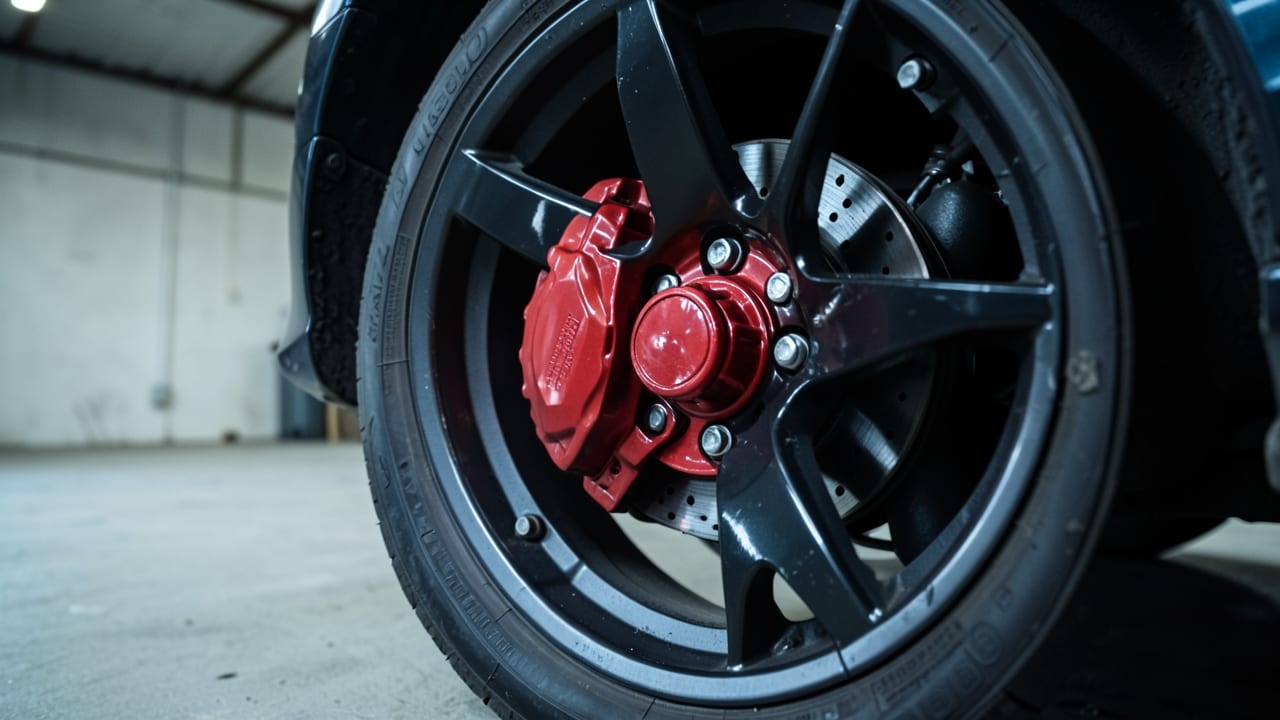
Wheel & Brake Caliper Ceramic Coating in Fargo, ND
Dedicated ceramic coating for wheels and brake calipers in Fargo, ND — stops brake dust and corrosive grime from bonding to the finish.
Learn More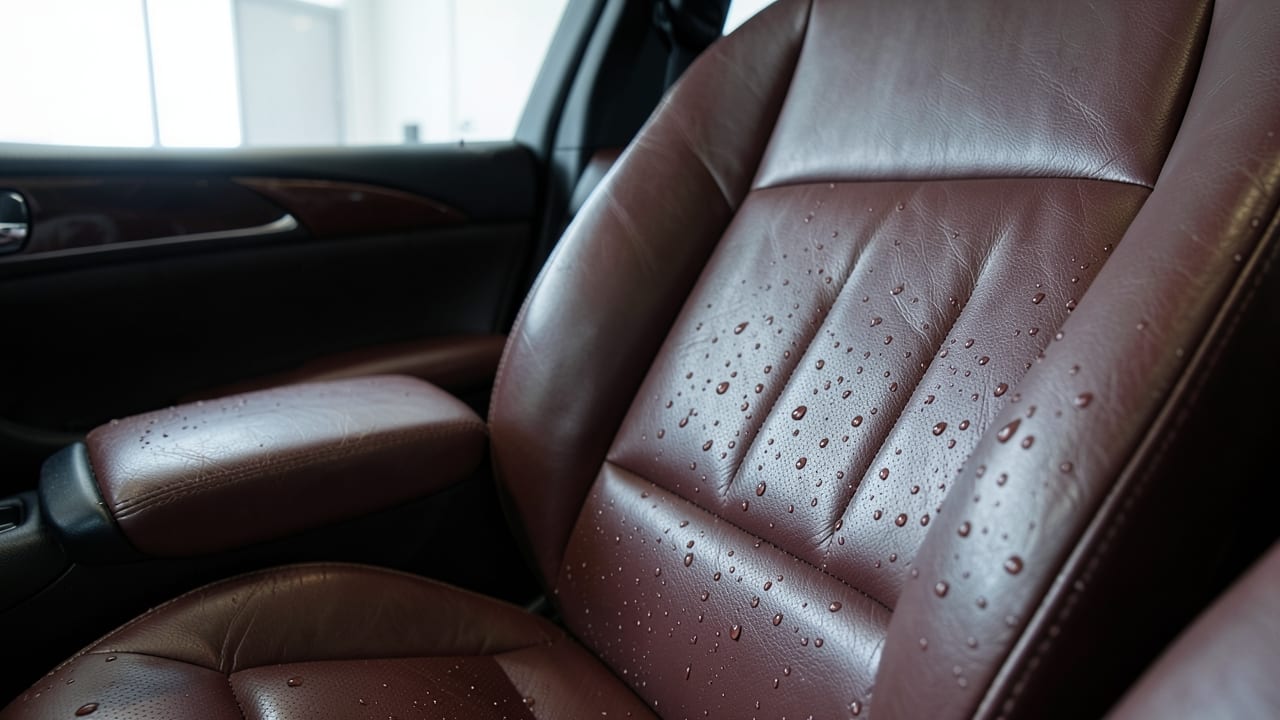
Interior Ceramic Protection in Fargo, ND
Interior fabric, leather, and trim ceramic protection in Fargo, ND — guards against spills, UV fading, and daily wear.
Learn More
Headlight Restoration & Coating in Fargo, ND
Headlight restoration and UV-protective coating in Fargo, ND — restores clarity and nighttime visibility without replacing the assembly.
Learn More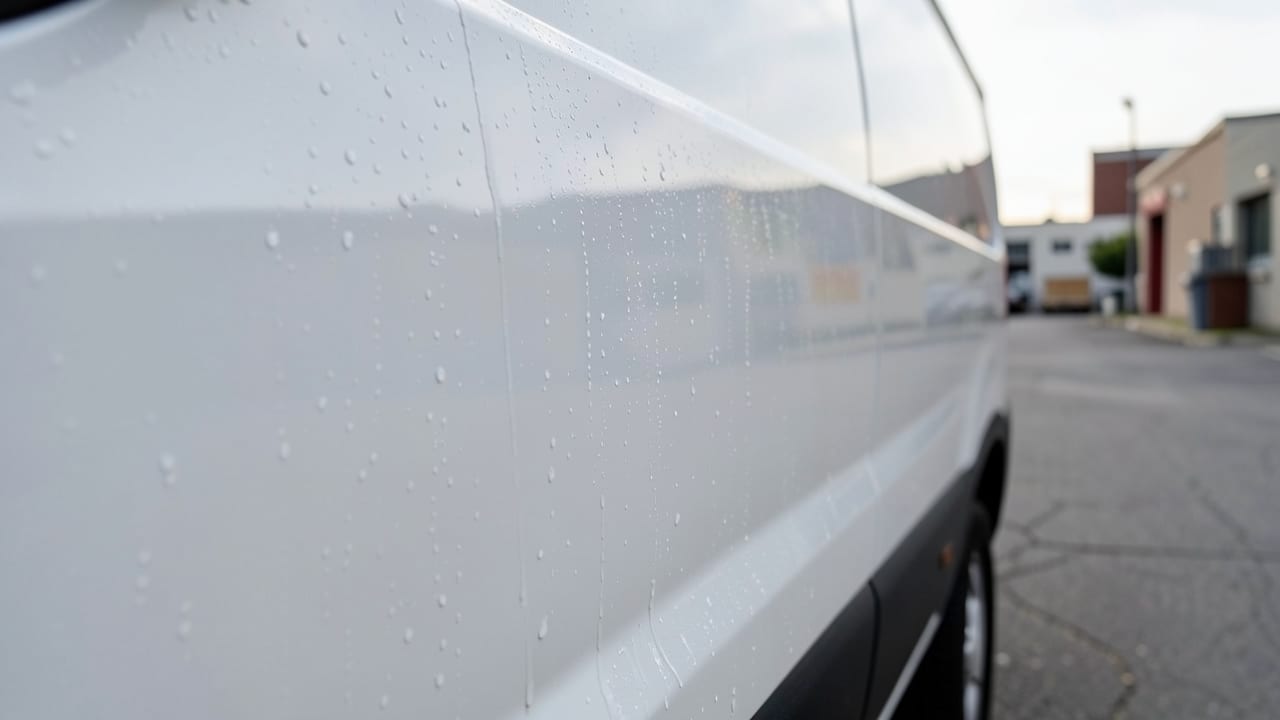
Fleet & Commercial Vehicle Coating in Fargo, ND
Ceramic coating programs for fleets and commercial vehicles in Fargo, ND — faster washing, longer-lasting branded wraps, and protected resale value.
Learn More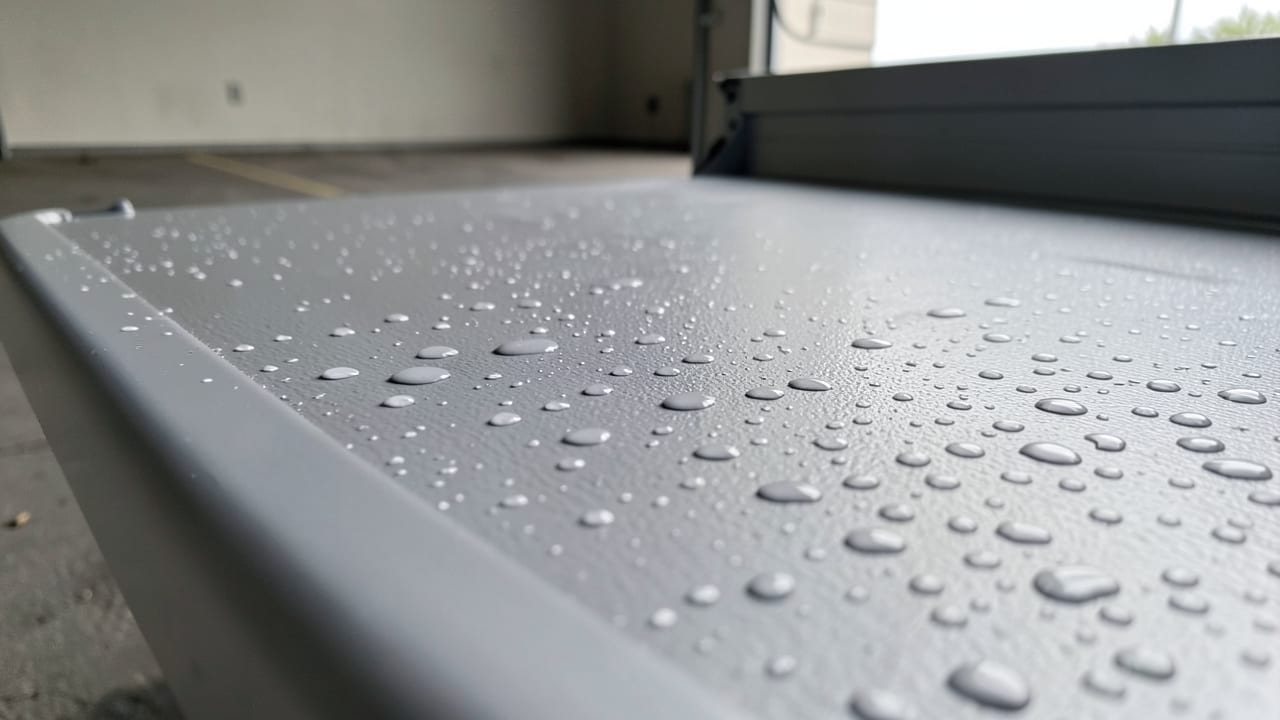
Graphene Coating in Fargo, ND
Graphene coating in Fargo, ND — a premium ceramic alternative with better heat rejection and hydrophobic durability.
Learn More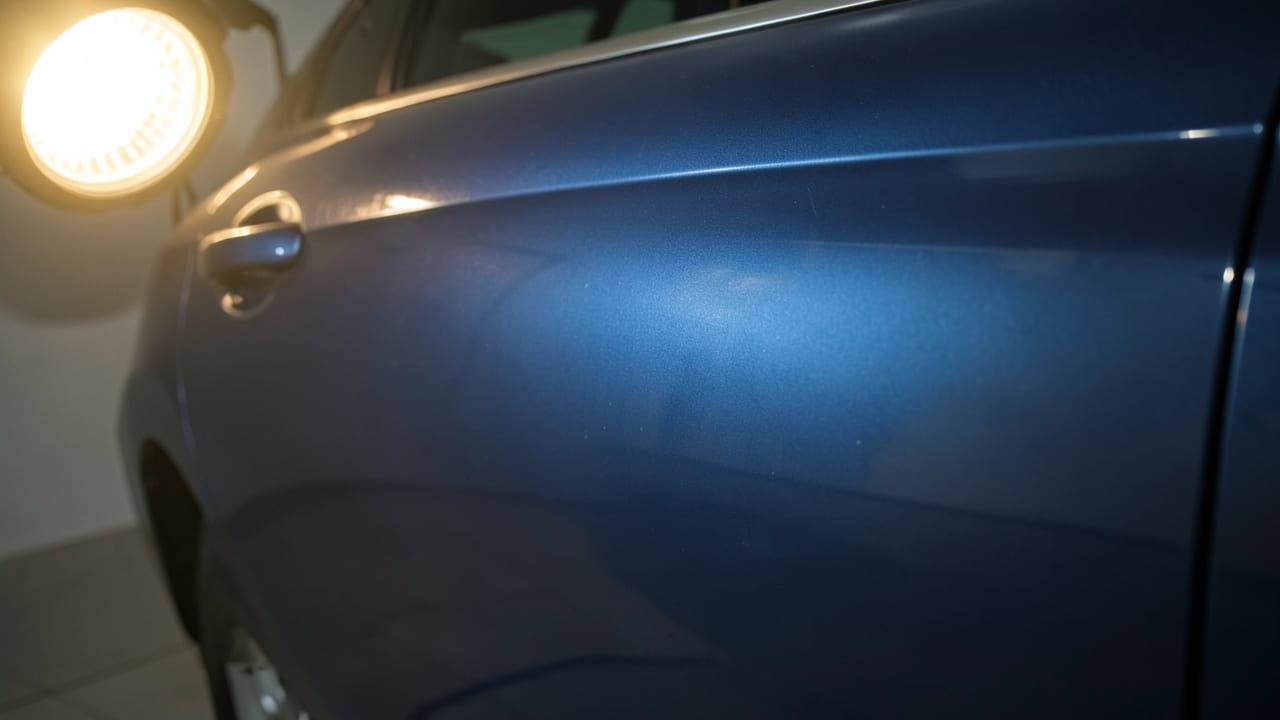
Clay Bar Paint Decontamination in Fargo, ND
Clay bar paint decontamination in Fargo, ND removes bonded surface contaminants a wash alone can't touch, before coating or correction.
Learn MoreCommon Questions About Ceramic Coating in Fargo
Everything you need to know about ceramic coating services in Fargo
How much does Metal Surface Anti-Corrosion typically cost in Fargo, ND?
Does coastal salt air affect how a ceramic coating performs in Fargo, ND?
What does proper paint prep before a ceramic coating actually involve?
How should a coated vehicle be washed after the coating is applied?
Will a ceramic coating stop rock chips or scratches?
What's the actual difference between wax, paint sealant, and ceramic coating?
Need Ceramic Coating in Fargo?
Get a written quote from our Fargo crew.
⏰ We answer your call • Serving all of Fargo and surrounding areas