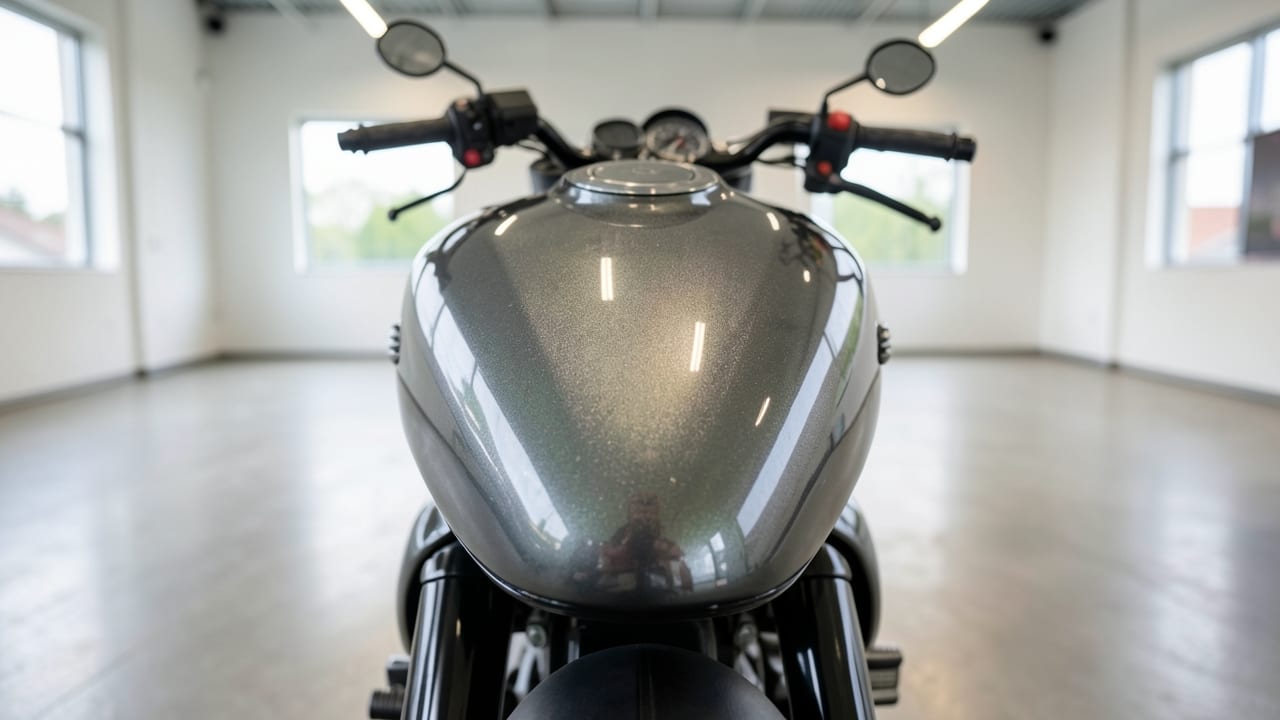
Motorcycle Ceramic Coating
Professional application of ceramic coating to protect motorcycle paint and surfaces from damage.
Motorcycle ceramic coating in Fargo, ND, adds a protective liquid polymer layer to your bike’s paint, shielding it from scratches, UV damage, and contaminants. This process enhances gloss and preserves your motorcycle’s finish over time, but requires thorough prep and proper curing for the best results.
Local service covers the entire Fargo area, including West Fargo, Moorhead, and surrounding towns.
We also handle Road Tar Removal and Bug Splatter Removal for Fargo vehicles.
When is ceramic coating needed?
Ceramic coating is most beneficial when your motorcycle’s paint shows signs of wear, such as dullness or fine scratches visible under direct light. Water beading poorly or feeling bumps when running fingers over the paint are clear indicators that contaminants have built up, reducing protection.
Coating won’t hide deep scratches or rock chips—it’s designed to prevent light surface damage over time.
Even if your bike looks clean, contaminants like brake dust, road tar, or industrial fallout can embed in the clear coat. These particles cause micro-scratches during washing, which coating alone won’t fix. A proper assessment checks for these issues before applying the protective layer.
Signs Your Motorcycle Needs Coating
- Water spreads instead of beading, indicating lost protection.
- Paint feels rough or bumpy when touched lightly.
- Gloss fades after washing, or paint looks hazy.
- Fine scratches appear under direct sunlight or raking light.
What affects pricing and timing?
Pricing depends on the motorcycle’s size, the coating tier chosen (SiO₂ vs. graphene), and whether paint correction is needed before coating. A full prep—including decontamination, clay bar treatment, and correction—takes longer than coating alone but ensures better long-term results.
Multi-layer coatings typically cost more but may offer extended durability in harsh conditions like Fargo’s winter road salt and summer UV exposure.
The process itself requires controlled conditions for curing, which can take 24–48 hours. Rushing this step risks uneven bonding or streaking. Local service covers the entire Fargo area, so location doesn’t impact pricing or timing.
| Factor | Impact on Pricing/Timing |
|---|---|
| Bike size/complexity | Larger bikes or custom paint jobs may require more material and labor. |
| Coating tier (SiO₂ vs. graphene) | Graphene coatings often cost more but may last longer in extreme conditions. |
| Prep work needed (correction, decontamination) | Skipping steps can reduce upfront cost but shortens coating lifespan. |
| Curing time | Typically 24–48 hours; cannot be rushed without risking finish quality. |
Common missteps to avoid
Applying coating over uncorrected swirl marks locks those imperfections in permanently. Similarly, skipping decontamination leaves contaminants under the coating, reducing its effectiveness. In Fargo’s climate, curing in direct sun or rain can cause uneven drying or water-spot marks, compromising the finish.
Post-coating habits matter just as much as the application. Using the wrong wash products or automatic car washes during the first few weeks can introduce scratches. Parking in shade or a garage during curing helps prevent flash-curing, which leads to high spots in the finish.
Washing with harsh chemicals or brushes, exposing to rain before curing, or parking in direct sun during the first 72 hours can damage the finish. Always use pH-neutral soap and the two-bucket wash method for the first few washes.
How motorcycle ceramic coating works
A thorough prep is critical before applying the protective layer.
- 1Foam Wash and Wheel Cleaning
The bike undergoes a foam pre-wash to loosen dirt, followed by a dedicated wheel-and-tire cleaning pass. Different mitts are used for paint and wheels to prevent brake dust from scratching the surface during washing.
- 2Chemical Decontamination
Iron remover strips embedded brake dust, and tar/bug remover lifts road residue. These steps occur before any physical contact with the paint to remove contaminants below the surface.
- 3Clay Bar Treatment
A clay bar or mitt removes bonded contaminants like overspray or industrial fallout, leaving the paint smooth to the touch. This step ensures the coating bonds to a clean, uncontaminated surface.
- 4Paint Correction and Wipe-Down
Swirl marks and scratches are polished out under raking light, then the panels are wiped with isopropyl alcohol to remove any residue before coating. This prevents bonding issues from oils or polish leftovers.
- 5Coating Application and Cure
The coating is applied panel by panel in a controlled environment, then left undisturbed for the manufacturer’s specified cure time—typically 24–48 hours—before exposure to water or washing.
Frequently asked questions
Will ceramic coating fix deep scratches or rock chips?
No, coating adds surface hardness to resist light scratches and UV damage but won’t repair deep imperfections. Those require professional paint correction or repair before coating.
How long does the coating last on a motorcycle in Fargo?
Durability depends on prep quality, coating tier, and post-care. In Fargo’s climate, a well-applied coating typically lasts 2–5 years before needing touch-ups, but harsh conditions like road salt can shorten this.
Can I wash my motorcycle right after coating?
No, the bike must cure undisturbed for 24–48 hours. Even dew or rain during this time can cause water spots. After curing, use pH-neutral soap and the two-bucket wash method to preserve the finish.
Does the coating protect against rust?
Coating adds a barrier against moisture and contaminants, but it doesn’t replace rustproofing. If your bike has existing rust, that should be treated separately before coating.
Where Fargo sits, and what the Census lists nearby
Fargo sits in North Dakota, and the closest places listed in the U.S. Census Gazetteer are Prairie Rose (3.3 miles south), West Fargo (3.6 miles west), Moorhead, MN (4 miles east), Frontier (4.5 miles south).
Within 25 miles of Fargo the same source lists 34 distinct incorporated places and census-designated places.
Those figures matter for motorcycle ceramic coating because they are straight-line distances between Census coordinate points: road mileage between Fargo and Prairie Rose runs longer than the 3.3 miles shown, which is why quotes for the same job differ between towns that look close together on a map.
Source: U.S. Census Bureau Gazetteer.
See Mapleton, ND for more, or browse the rest of our Fargo lineup across the area for our complete lineup.
Ready to get started?
Talk to a local ceramic coating pro in Fargo — get a written quote.
Other Ceramic Coating Services in Fargo
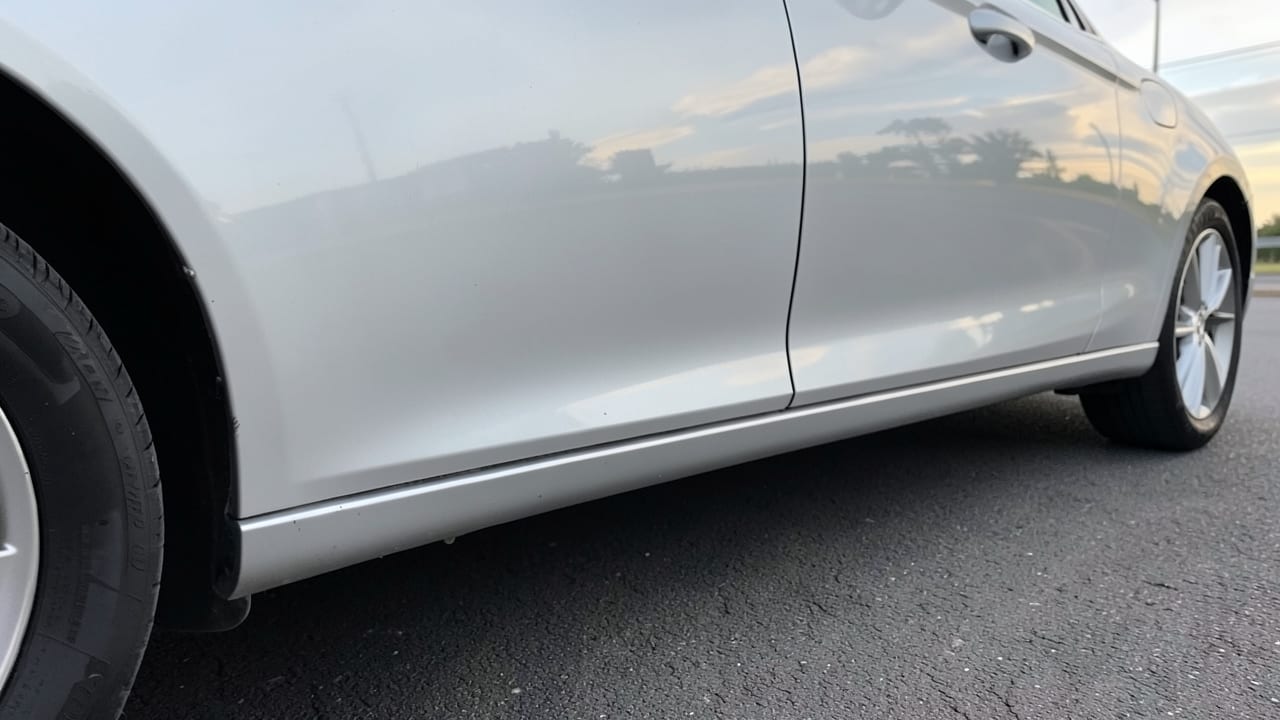
Road Tar Removal in Fargo, ND
Professional removal of road tar from vehicle paint using safe, ceramic-friendly methods.
Learn More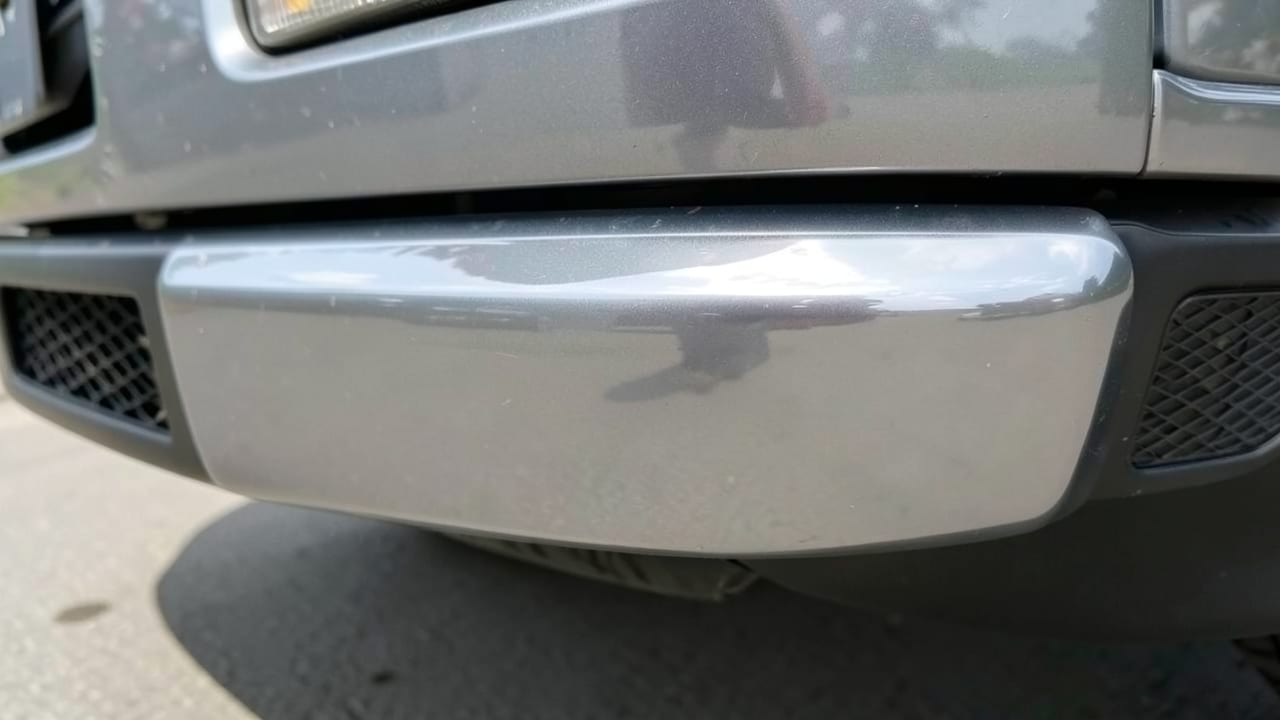
Bug Splatter Removal in Fargo, ND
Professional removal of insect residue from vehicle paint without damaging the ceramic coating or finish.
Learn More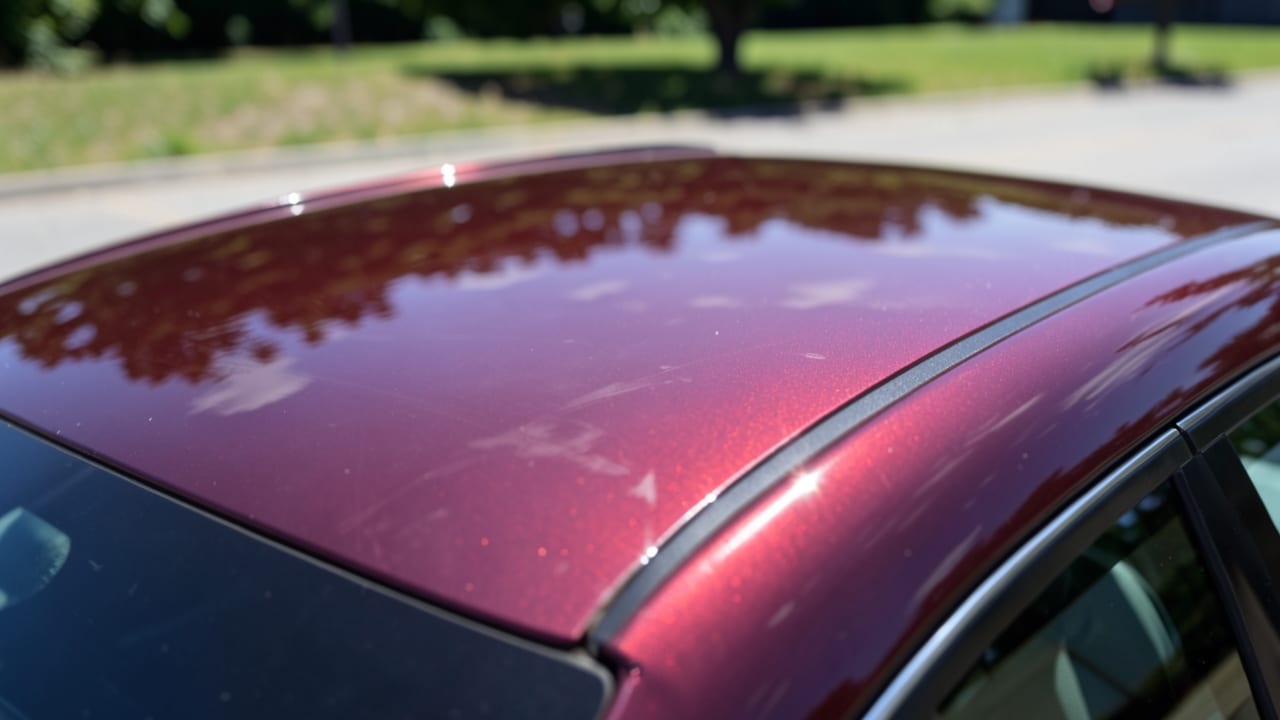
Mid-Summer UV Protection Top-Up in Fargo, ND
Ceramic coating reapplication to restore UV protection and gloss on vehicle paint.
Learn More
Post-Storm Contaminant Removal in Fargo, ND
Removal of contaminants from vehicle paint after storms, followed by ceramic coating application.
Learn More
Fall Paint Prep for Winter in Fargo, ND
Ceramic coating and paint protection applied to homes before winter to prevent damage.
Learn More
Pre-Event Showroom Gloss Enhancement in Fargo, ND
Professional ceramic coating application to enhance vehicle paint gloss before events.
Learn MoreCommon Questions About Ceramic Coating in Fargo
Everything you need to know about ceramic coating services in Fargo
How much does Motorcycle Ceramic Coating typically cost in Fargo, ND?
Does coastal salt air affect how a ceramic coating performs in Fargo, ND?
How long does a ceramic coating actually last in real-world use?
What is the difference between graphene and SiO2 ceramic coatings?
Does a ceramic coating need to be topped up over time?
Can a ceramic coating be applied over existing swirl marks or light scratches?
Need Ceramic Coating in Fargo?
Get a written quote from our Fargo crew.
⏰ We answer your call • Serving all of Fargo and surrounding areas